Deeply ingrained gender biases within surgery are discouraging women from entering the field, according to findings in a new McGill University study.
Despite comprising 58 per cent of medical students, women represent just 33 per cent of all surgeons. The study notes that this discrepancy is further emphasized when it comes to academic and leadership roles in the field.
“Existing research was focused on more of an individual approach and [on] increasing numbers of women [in surgery],” says study lead and general surgery resident Jillian Schneidman. “My study really tried to focus on understanding women’s experiences once they were in surgery, what their everyday [work] life was like, and how gender was implicated in that.”
As the first ethnographic study on gender and surgery in Canada, Schneidman first interviewed women surgeons about their experiences in the workplace, keeping questions relating to gender largely out of the questionnaire. “I wanted to see how gender came into the conversation without my bringing it up and whether it would,” says Schneidman.
She then observed people working in the operating room or in clinic, “allowing me to see more subtle things that are more difficult to articulate.”
Her study found that “gender was built into the design, the culture and the infrastructure [of surgery] and the kind of assumptions about what a surgeon is meant to be,” and noted that gender prominently influences surgeons’ lives across three levels: Organizationally, individually and environmentally.
Organizationally, the study highlights that “women’s status as surgeons were continually questioned and undermined.” For example, those practicing in areas with a high percentage of women surgeons, such as obstetrics, gynecology and breast surgery, felt their specialties were often devalued.
“Breast surgeries are paid a lot less than an equivalent general surgery procedure. [All sub-specialties in surgery] are getting more complex … even breast surgery isn’t as simple as it used to be. I don’t think that’s valued,” one surgeon noted. “[Another women surgeon] spoke about how an equivalent procedure in urology or general surgery based on hours and complexity [would be paid more] than an equivalent type of procedure in [obstetrics].”
Individually, the study notes that “in nearly all interviews, women reported biases that depicted their surgical skills as less competent than those of their male counterparts, regardless of their professional titles or levels of expertise” and reported having less time in the operating room, being referred less complex cases, earning lower pay and having lower reputations within the surgical community.
One doctor who participated in the study said a resident was told by her supervising surgeon after a particularly successful term that “you’ve got really good hands for a woman.”
Schneidman’s is not the first study to document the unhospitable environment facing women in surgery. One U.K. study showed that only 25 per cent of female doctors expressed interest in a surgical career as opposed to 42 per cent of male doctors. Frequently cited reasons included “negative attitudes toward women in surgery among the surgical teams,” with 59 per cent of male and 68 per cent of female respondents saying they believed surgery was “not a career welcoming to women.”
 In trying to understand the pre-eminence of male doctors in areas like general surgery, some experts have argued that, after being historically restricted to informal and subordinate roles in health care, “women carved out professional space in areas they had claim to by virtue of their femininity.” As Michelle Cohen wrote in a 2022 Healthy Debate article, “slow female entry into nearly all surgical specialties can also be well understood within this context, as many masculinized traits like power and control are associated with surgery … the profession’s long history of male gatekeeping and female exclusion suggests the persistent influence of gender bias in health-care work.”
A 2017 study using U.S. Medicare data highlighted gender bias against female surgeons at play in referrals. It showed that female surgeons received fewer referrals overall and that, “if a patient had a poor outcome after surgery performed by a woman, [the patient’s] primary care physician was less likely to refer to any women in that specialty. However, if a poor outcome occurred at the hands of a male surgeon, an equivalent drop in referrals to men was not seen.”
Other studies have noted the unequal demands placed on women in health care: for example, in outpatient settings, women generally spend more time per patient and deal with more issues per visit than men, which leads to lower billing in a fee-for-service model.
Moreover, “patients expect women physicians to provide more emotional support. In primary care, women are more likely to address psychosocial issues and provide counselling, whereas men are more likely to deliver procedural services,” Cohen noted in her own study.
Schneidman’s research echoes similar findings within surgery. “Women surgeons noted how they faced additional demands due to their gender. Traits that were often not prioritized in surgery, such as spending time with patients, were regarded as necessary characteristics for being a woman surgeon.” Added one surgeon: ‘I think patients expect more from a woman. They expect you to explain things more. They expect you to be more caring … they expect more from you in post-operation care.’
Schneidman notes that gender bias in surgery also appears in highly tangible forms such as the physical tools and spaces that surgeons use. Many of the instruments, laparoscopic and orthopedic tools in particular, caused difficulties for some women surgeons as they were built for larger (men’s) hands. “A lot of women spoke about how they could barely get their hand around the grip to reach the trigger … they had to use both hands or their body to help [stabilize] when they gripped the instrument.”
Even the language used for basic surgical garments, like the “men’s hat” that surgeons use to cover their hair during surgery, confers the idea that operating rooms are designed by and for men, she says. “They’re just so obvious, but yet [these things] become so normalized you hardly notice them.”
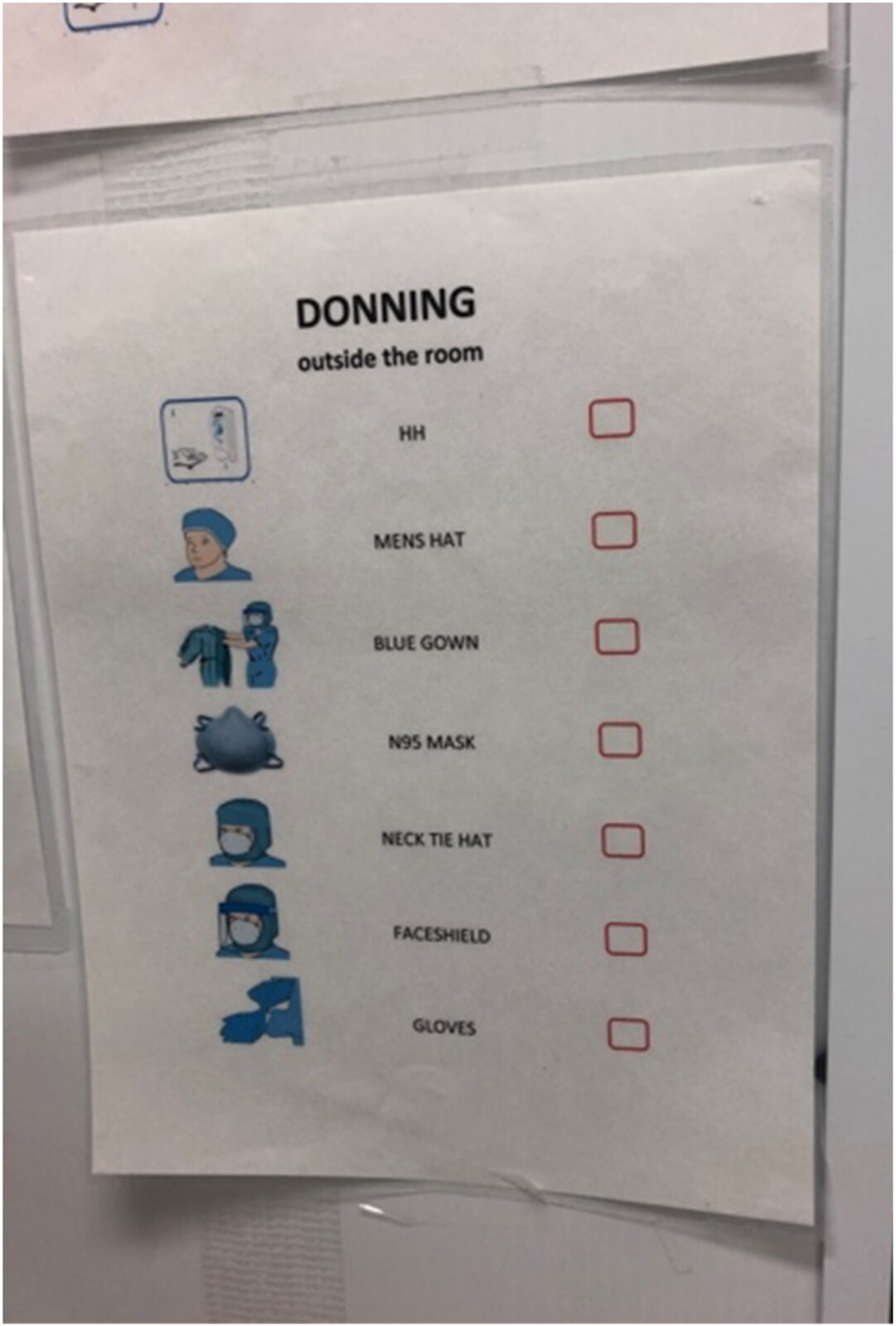 Photo provided by Jillian Schneidman.
Though many, including Schneidman herself, were surprised that these kinds of issues persisted in 2025, she says many women surgeons have told her that the study resonated with their experiences. “A lot of the experiences I found were similar to the kind of studies that were done on this in the 1990s … not much has changed.”
Schneidman says she worries that there is not much institutional motivation to address these issues at their core. Even while pursuing this research, she says she experienced pushback from men and women in medicine alike. “[I was told] not to do this study, that no one would believe my work or take me seriously … that it would impact my future surgical career.”
One woman she spoke with had wanted to do a similar study nearly two decades earlier, Schneidman says. “She was discouraged from doing it so much that she actually changed her master’s topic … she couldn’t believe that I was having the same experience 20 years later.”
Schneidman is currently pursuing further research in this area and says she hopes to focus future studies on how women in surgery are coping with the gender-based obstacles they face.
“My hypothesis is that … we really have to change the foundations [of surgery as an institution] rather than just keep on adding people in,” she adds. “Moving forward … the next question is what are some of the sustainable solutions that we can put forward.”


I was reading this article and then went into the bathroom where I read another article from the MIT magazine and suddenly the echoes were loud. Obviously, the world has blasted along in some ways and lagged in others to the detriment of it all fitting together. We know that. I wish I had an idea as to how this jumble of time lines could be brought into a more harmonious neighbourhood, but its remedy is not obvious to me.
When choosing a surgeon for myself, I prefer a woman: in general, women have superior fine motor skills, listen better and with more empathy, multitask more effectively, and are less likely to act impulsively, compared to men.